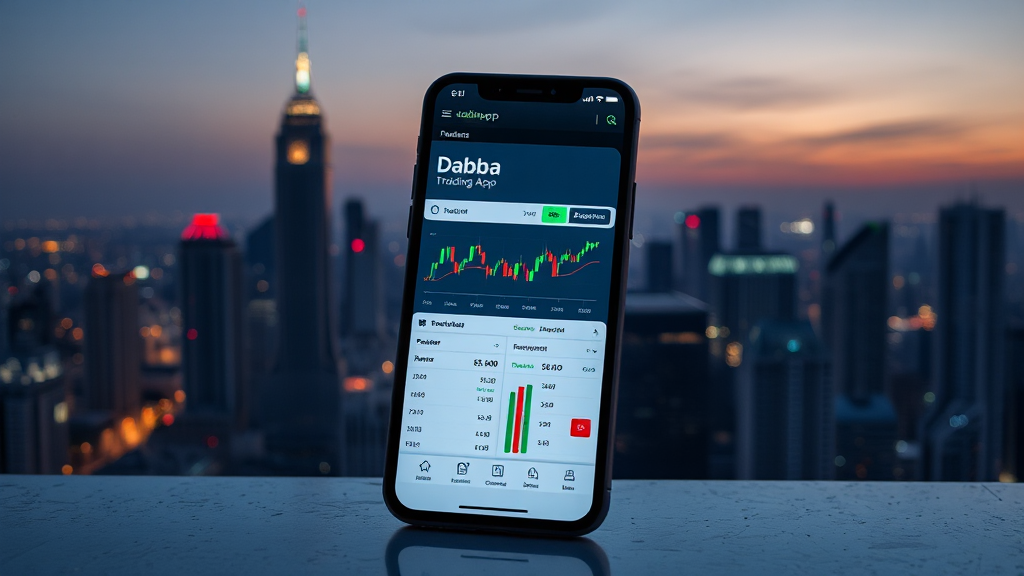
DABBA TRADING APP: A Smarter Way to Navigate Online Trading in India
DABBA TRADING APP: A Smarter Way to Navigate Online Trading in India
The financial landscape in India has evolved rapidly, and with it, the tools that traders use to stay ahead. Among the emerging platforms, the DABBA TRADING APP has carved out a distinct niche by offering a secure and efficient environment for dabba trading. For those unfamiliar, dabba trading refers to a form of offline or semi-online trading where transactions are settled outside the formal exchange framework, often using a broker’s internal system. The app modernizes this concept by bringing it into the digital age, providing a streamlined interface that prioritizes speed and real-time data. This article explores how the platform works, why it appeals to Indian traders, and what you should consider before integrating it into your trading routine.
Understanding the Rise of Dabba Trading in India
Dabba trading has been a part of India’s trading culture for decades, especially in regions where access to formal exchanges was limited. The term “dabba” often refers to a box or container, but in this context, it signifies a closed-loop trading system where prices are mirrored from the official market but executed through a separate settlement process. While the practice has faced regulatory scrutiny, its popularity persists due to the flexibility it offers—such as higher leverage, lower margins, and fewer compliance hurdles. However, the traditional dabba trading model was plagued by issues like lack of transparency, delayed execution, and counterparty risk. The DABBA TRADING platform addresses these pain points by digitizing the entire process, making it more accessible and accountable for modern traders.
Key Features of the Dabba Trading App
What sets the Dabba Trading App apart from conventional trading apps? First, it is designed specifically for dabba trading, which means the user interface is tailored to the nuances of this trading style. The app offers fast execution, which is critical in a market where price movements can be swift and unforgiving. According to the platform’s official website, it provides “fast execution and real-time insights,” ensuring that traders can act on market changes instantly. Additionally, the app emphasizes security—a major concern for anyone dealing with off-exchange transactions. By using encryption and secure servers, the platform aims to protect user data and funds. The interface also includes real-time charts, order books, and position tracking, allowing traders to monitor their portfolio without lag. For those who are accustomed to traditional trading platforms, the learning curve is minimal, as the layout is intuitive and mobile-friendly.
Why Indian Traders Are Turning to Dabba Trading ID Systems
One of the critical elements of any trading platform is the identification and authentication process. In the context of dabba trading, a DABBA TRADING ID serves as your unique identifier within the system. This ID is essential for tracking your trades, settlements, and account balance. The Dabba Trading App simplifies the creation of this ID, making it easy for new users to get started. Unlike traditional exchanges where you need to go through a lengthy KYC process with a broker, the app offers a more streamlined onboarding experience. However, it’s important to note that while the ID system is user-friendly, it still requires you to provide certain personal details to comply with anti-money laundering regulations. The rise of these ID systems indicates a shift toward more organized and regulated dabba trading, which is beneficial for the industry’s long-term credibility.
Exploring MCX Dabba Trading: Commodities and Beyond
While dabba trading is often associated with equities, it is also prevalent in the commodities market. The Multi Commodity Exchange (MCX) is a prominent exchange for trading metals, energy, and agricultural products. MCX DABBA TRADING refers to the practice of trading commodity derivatives outside the formal MCX framework, using the exchange’s price as a reference. The Dabba Trading App supports this by providing real-time MCX price feeds, allowing traders to speculate on commodities like gold, silver, crude oil, and natural gas. This is particularly appealing to traders who want to hedge their physical commodity exposure or who prefer the flexibility of dabba trading for commodities. The app’s fast execution ensures that commodity trades are filled at the desired price, reducing slippage. For those new to commodity trading, the app also offers educational resources and market analysis to help them make informed decisions.
Security and Trust: The Backbone of the Dabba Trading Site
When dealing with any form of trading, trust is paramount. The developers behind the DABBA TRADING SITE understand this, which is why they have invested heavily in security infrastructure. The platform uses advanced encryption protocols to safeguard user data and financial transactions. Additionally, the app operates with a transparent settlement process, providing users with detailed statements of their trades and payouts. This transparency is a welcome change from the opaque nature of traditional dabba trading, where disputes were common. The site also offers customer support to address any issues promptly, which further enhances its reliability. It’s worth noting that while the platform strives for security, no trading system is entirely risk-free. Traders should always do their due diligence and only invest what they can afford to lose.
How to Get Started with the Dabba Trading App
Getting started with the Dabba Trading App is straightforward. First, visit the official website and download the app or access the web-based platform. Next, register by creating your Dabba Trading ID, which involves providing your basic details and agreeing to the terms of service. Once your ID is activated, you can fund your account through various payment methods, including bank transfers and UPI. After funding, you can begin trading by selecting your preferred asset class—equities, commodities, or indices. The app provides a demo mode for practice, which is highly recommended for newcomers. In demo mode, you can familiarize yourself with the interface and test your strategies without risking real money. Once you feel confident, you can switch to live trading. The platform also allows you to set price alerts and notifications, ensuring you never miss a market movement.
Comparing Dabba Trading App with Traditional Trading Platforms
To truly appreciate the value of the Dabba Trading App, it’s helpful to compare it with traditional trading platforms like Zerodha or Upstox. Traditional platforms operate within the regulatory framework of SEBI, offering a high level of investor protection. However, they come with restrictions on leverage and require larger margins. Dabba trading, on the other hand, offers more flexibility in terms of leverage and margin requirements, which can be attractive to experienced traders. The app bridges the gap by providing a modern, user-friendly interface that is typically associated with formal platforms, while retaining the benefits of dabba trading. That said, the lack of regulatory oversight is a double-edged sword. While it offers freedom, it also means that in case of disputes, you have limited recourse. Therefore, it’s crucial to choose a reputable platform like the Dabba Trading App, which has a track record of honoring settlements.
Risk Management in Dabba Trading
Risk management is crucial in any trading activity, and dabba trading is no exception. The high leverage offered by dabba trading can amplify both gains and losses. The Dabba Trading App includes several features to help users manage risk, such as stop-loss orders and position size calculators. Additionally, the real-time data feed allows traders to monitor their exposure and exit positions quickly if the market moves against them. The app also provides historical data and analytics, enabling traders to backtest their strategies. However, it’s important to remember that no tool can guarantee profits. Traders should set strict risk parameters, such as limiting their daily loss and diversifying their portfolio. By using the app’s features wisely, you can mitigate some of the inherent risks of dabba trading.
The Future of Dabba Trading and Technology
As technology continues to advance, the future of dabba trading looks promising. The integration of artificial intelligence and machine learning could provide even more sophisticated insights, helping traders make better decisions. The Dabba Trading App is already leveraging real-time data, but future updates may include predictive analytics and automated trading bots. Additionally, blockchain technology could enhance transparency by providing an immutable ledger of transactions, further reducing counterparty risk. The app is well-positioned to incorporate these innovations, as its architecture is designed to be scalable and adaptable. For traders, this means that staying with a forward-thinking platform like the Dabba Trading App could offer long-term benefits as the ecosystem evolves.
Frequently Asked Questions
Is dabba trading legal in India?
Dabba trading operates in a legal gray area. It is not recognized by SEBI, and any disputes arising from it are not protected by the formal regulatory framework. However, it is not explicitly illegal, as it is a private agreement between the trader and the broker. The Dabba Trading App encourages users to understand the legal implications and trade responsibly.
How does the Dabba Trading App ensure the security of my funds?
The app uses advanced encryption and secure servers to protect your data and funds. Additionally, it maintains a transparent settlement process, and customer support is available to resolve any issues. However, since dabba trading is not regulated by SEBI, it’s essential to trust the platform’s reputation.
Can I trade on MCX commodities using the Dabba Trading App?
Yes, the app supports MCX dabba trading, allowing you to trade commodities like gold, silver, crude oil, and more. It provides real-time MCX prices and fast execution to ensure you get the best possible fills.
What is the minimum amount required to start trading?
The minimum amount varies depending on the trader and the broker’s policies. The app does not specify a fixed minimum, but it’s advisable to start with an amount you are comfortable losing. The demo mode can help you practice before committing real money.
